Recycled Leather for
Luxury Goods
Unlocking the Potential of Recycled Leather: A Quality Assurance Roadmap for Luxury Brands
In the dynamic world of luxury fashion and accessories, innovation, quality, and sustainability are key to staying ahead of the curve. As eco-conscious consumers demand more environmentally-friendly options, luxury brands are increasingly turning to recycled leather as a sustainable alternative to traditional leather.
However, the assessment and quality control of recycled leather pose unique challenges that require specialized expertise. Variations in material composition, manufacturing processes, and potential defects can impact the consistent quality and durability that luxury consumers expect.
Bureau Veritas' Center of Expertise for Recycled Leather Goods is here to assist luxury brands and manufacturers in navigating the complexities of recycled leather quality assurance.
Your Roadmap to Recycled Leather Quality AssuranCE
KEY CHALLENGES AND BV SOLUTIONS FOR Recycled Leather
Recycled leather is created by processing post-consumer waste, such as used leather goods, into new material. While this process reduces environmental impact, it introduces a level of unpredictability that traditional leather manufacturing does not face. Some of the key challenges luxury brands encounter with recycled leather include:
Material Composition Variability: The composition of recycled leather can vary significantly based on the source materials and processing methods used, making it difficult to achieve the uniform thickness, texture, and mechanical properties that luxury consumers expect. Our team conducts in-depth analysis of recycled leather materials to identify their precise composition, physical properties, and performance characteristics.
Manufacturing Defects: Recycled leather is more prone to issues like delamination, color inconsistencies, and structural weaknesses due to the recycling process. These defects can compromise the intended use and lifespan of the final product. We perform a wide range of tests to evaluate the quality and durability of recycled leather goods, including tensile strength, tear resistance, color fastness, and more. Our inspections also identify potential manufacturing defects to ensure luxury-grade finishes.
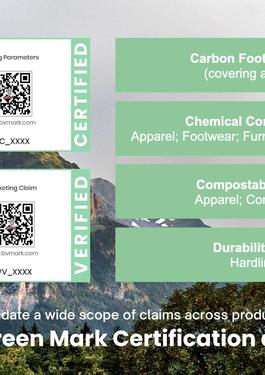
Durability Concerns: Recycled leather may exhibit reduced durability and lifespan compared to traditional leather due to the recycling process. This can impact the perceived quality and value of luxury products. We provide extensive durability and performance testing, and certification program such as BV Mark that allow you to showcase your commitment to sustainability and quality, building trust with eco-conscious consumers.
Lack of Traceability: It can be challenging to trace the origin and processing history of recycled leather materials, making it harder to ensure supply chain transparency and maintain quality standards. By tracking the sourcing and processing history of recycled leather materials, BV can help establish full traceability throughout your supply chain, enabling transparency and supporting claims of sustainable, ethical sourcing.
Regulatory Compliance: As recycled materials gain popularity, new regulations and standards are emerging to govern their use. Luxury brands must stay up-to-date on these evolving requirements to avoid legal and reputational risks. Our product specialists keep a close eye on evolving regulations and standards related to recycled materials, especially for leather goods, guiding you to meet all relevant future requirements.