Footwear Chemical Testing & Material Compliance
Upstream chemical testing and material QA at tanneries, mills, and suppliers. Save cost, ship faster, and protect brands and consumers from compliance failures.
Speak with our
footwear specialists
Why Work with Us
Prevent Shipment Rejection | 5–10% Cost Savings* |
Faster Production Start | Brand and Consumer Protection |
The Problem
60–80% of materials used in footwear production originate from upstream suppliers, often in China. By the time these materials arrive at shoe factories across Southeast Asia, Central and South America, Europe, or the Indian subcontinent, the chemistry is already locked in.
The greatest risk in finished shoe testing is the detection of banned substances. If a finished product fails chemical testing, the entire shipment may be rejected. |
What We Do Differently
Bureau Veritas deploys chemical management specialists and testing at the material origin, at tanneries, chemical suppliers, and mills, before materials ship to the factory. Chemical management at source is the key: resolving issues where they originate, avoiding claims, and mitigating compliance risks before they become costly. A test failure is not a red flag. It is an opportunity to change, improve, and resolve the problem for future production, ultimately saving cost across the supply chain.
- RSL Compliance at Source: Chromium VI, PFAS, phthalates, formaldehyde, and azo dyes screened at the tannery. This means chemical non-compliance is identified and resolved before materials enter your supply chain.
- Factory-Ready Materials: Materials arrive verified and production-ready. This eliminates duplicate testing at the factory and saves 5–10%* of the total testing program cost.
- Chemical Management (ZDHC): ZDHC MRSL alignment and wastewater screening at the point of chemical use. This gives you confidence that your suppliers' chemical processes meet global standards.
- Material Quality Assurance: Dedicated quality assurance specialists embedded at material suppliers to verify materials continuously. This builds a quality culture at the source and reduces incoming defects at the factory.
- Material Quality Control: Fabric, leather, and component inspection before shipment to the assembly factory. Materials that do not meet spec are flagged before they leave the supplier.
Where Chemical Risks Hide in a Shoe
Every shoe contains dozens of materials, each carrying specific chemical risks. Below are five of the most common chemical families that cause compliance failures. This is not an exhaustive list; BV screens for a comprehensive range of restricted substances tailored to your brand, regulatory, and market requirements.
Substance | Where It Hides in the Shoe | Why It Matters |
Water-repellent uppers, coated toe caps, collar linings, PTFE breathable membranes beneath insoles | "Forever chemicals" that persist in the environment. Increasingly banned across EU, US states, and brand RSLs. | |
Heavy Metals | Dyed textiles, pigments/inks, leather (Cr VI), metal accessories (buckles, eyelets, zippers) | Carcinogenic (arsenic, cadmium, Cr VI), toxic to aquatic life, kidney and brain damage. |
PAHs | Black rubber outsoles, rubber toe caps, rubberized logos/labels, black foam sock liners | Carcinogenic. From carbon black pigments and extender oils in rubber compounds. |
Phthalates | PVC shoelace tips, flexible outsoles, printed logos, synthetic leather overlays, adhesive layers | Hormone disruption, reproductive harm. Common in flexible PVC and plasticized coatings. |
Formaldehyde | Textile collars/uppers (resin finishing), leather (retanning), adhesive bonding layers | Carcinogenic, skin irritant. Residual from textile finishing and leather processing. |
Key Services
Service | What It Means for You |
Full restricted substance screening against AFIRM, ZDHC, and brand-specific lists, performed at the material supplier. | |
Total organic fluorine and targeted PFAS testing in water-resistant treatments, coatings, and membranes. | |
Chromium VI Testing | Leather-specific screening for hexavalent chromium at the tannery. |
Dedicated quality assurance at tanneries and mills, delivered through Impactiva, our premium supply chain solutions arm for footwear and leather goods. | |
Mill Improvement Program | Modular assessment of in-house testing capability, process controls, and chemical management maturity. |
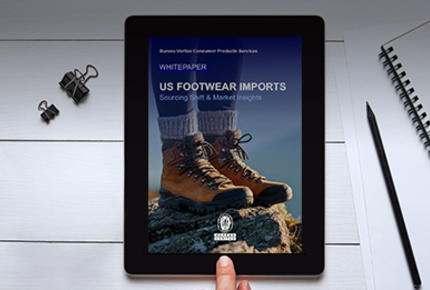

Ready to shift from reactive testing to upstream QA? Let’s talk. |
Results shown in this webpage are from specific BV-delivered programs across footwear, leather goods, and adjacent sectors. Outcomes vary by client baseline, supplier maturity, and project scope.